

1. Strengthening health security, disease surveillance, preparedness and response (Djibouti, Ethiopia, Eritrea, Kenya and Somalia $520 million):
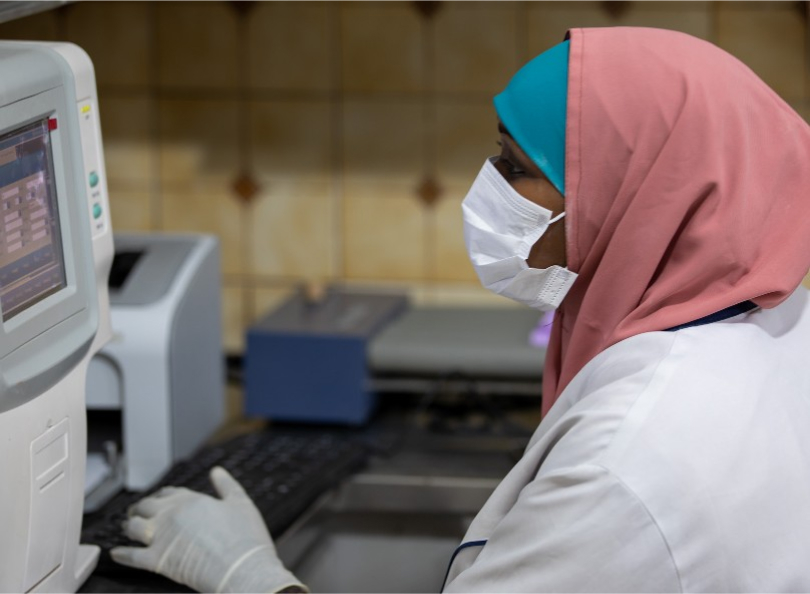
- Strengthen national and regional disease surveillance and pandemic control measures: training healthcare workers and laboratory technicians to support rapid expansion of testing; reinforcing laboratory infrastructure to support expansion of testing without crowding out other services; strengthening storage, cold-chain and distribution networks to enable effective and timely deployment of testing, vaccines and therapeutics; enhancing disease surveillance systems, including digital decision-support tools and integrating into overall health management information systems; building digital contact tracing and communication tools to support test, trace, treat strategies; development of costed national action plans for health security; procurement, distribution and delivery of medical commodities (vaccines, tests and therapeutics); developing NPHI roadmaps; development of costed National Action Plan for Health Security (NAPHS).
2. Strengthening regional regulatory and training systems for pharmaceuticals, medical commodities and health professionals ($214 million):
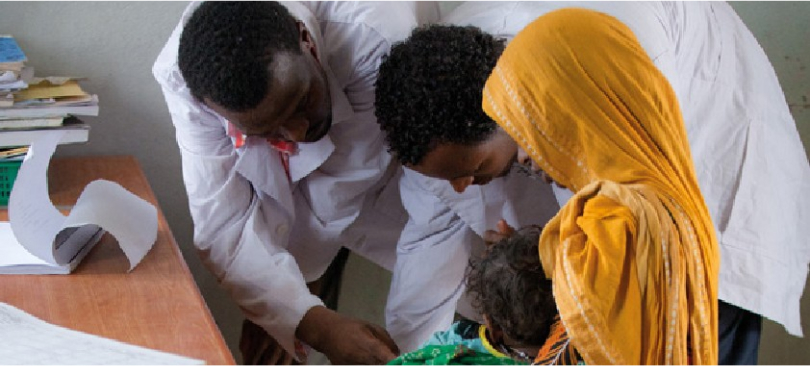
- Strengthen regulations for dealing with response to COVID-19 pandemic and over the mediumterm: develop a harmonized, regulatory process that will fast-track the market authorization of safe and effective COVID-19 vaccines, therapeutics and tests; facilitate joint approval of clinical trials on any COVID-19 related product; address the medium-term agenda of regulatory harmonization to tackle COVID-19.
3. Supporting Skills Development and Advancement to build a prosperous, integrated an peaceful Horn of Africa (Djibouti, Eritrea, Ethiopia, Kenya, and Somalia-- $600 million):
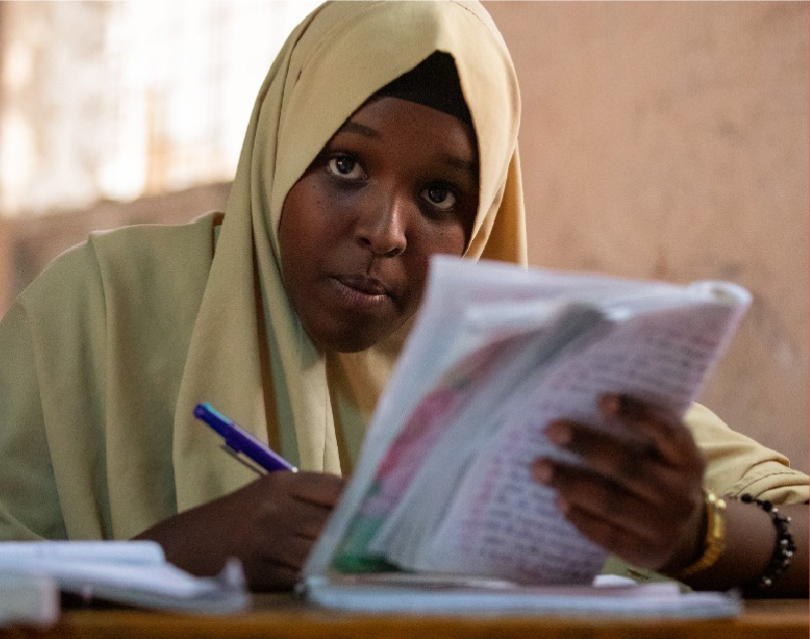
- Enhance teacher’s skills through technology and peer support: complement national efforts with targeted regional efforts to strengthen content knowledge and pedagogy through digital delivery models; build peer-to-peer platform to support teachers; promote teacher role models.
- Provide technology enabled skills development programs for youth: help scale-up skills development by providing short courses on ICT and English Language skills for out of school youth; reinforce ICT training centers.
4. Supporting regional Identification for Development ID4D to streamline the movement of people, goods, services and capital across borders, lay the foundation for future digital economy integration, and enhance access to basic services (Ethiopia, Somalia, $150-250 million)
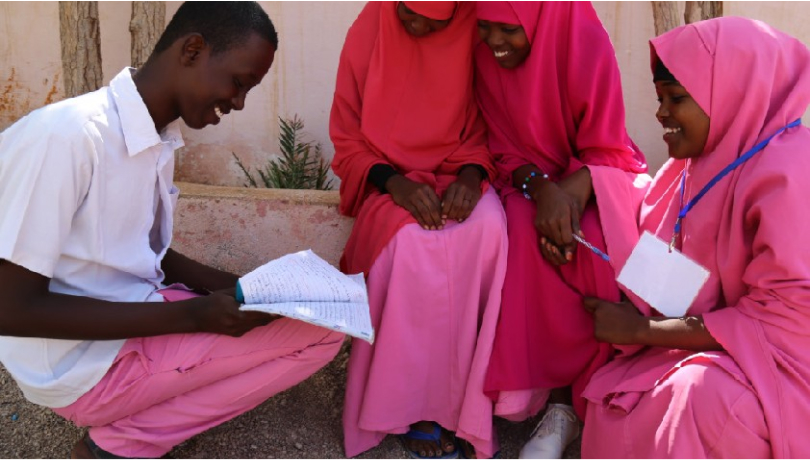
- Strengthen the legal and institutional framework: invest in comprehensive ID-enabling laws, regulations and institutions.
- Establish or modernize foundational ID systems: develop digital ID and civil registration systems.
- Facilitate access to services at national and regional levels: invest in enhanced interoperability between national and regional systems; establish common regulatory and technical frameworks to promote mutual recognition.